
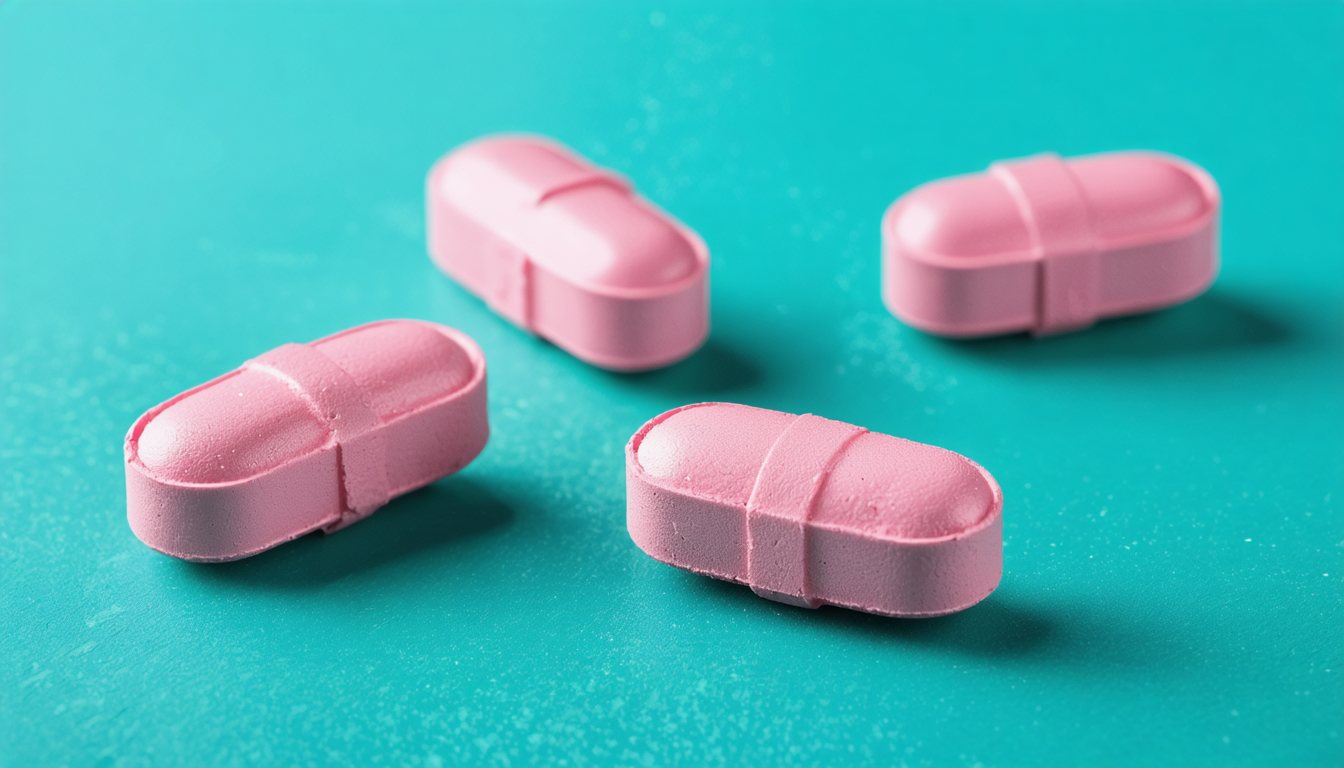
Impotence medication — answers to the main questions
Disclaimer: This article is for informational purposes only and does not replace professional medical advice, diagnosis, or treatment. Always consult a qualified healthcare provider regarding erectile dysfunction (ED) or before starting any medication.
Frequently asked questions (FAQ block at the beginning)
What is impotence medication?
Impotence medication refers to prescription drugs used to treat erectile dysfunction (ED), a condition where a man has difficulty achieving or maintaining an erection suitable for sexual activity. The most common medicines belong to a group called PDE5 inhibitors. They improve blood flow to the penis during sexual stimulation.
Why does erectile dysfunction happen?
ED can result from physical causes (heart disease, diabetes, obesity, hormonal imbalance), psychological factors (stress, anxiety, depression), or a combination of both. Lifestyle habits such as smoking, excessive alcohol use, and lack of exercise also contribute. Relationship issues may play a role as well.
How do I recognize the symptoms of impotence?
The main symptom is consistent difficulty achieving or maintaining an erection. Other signs may include reduced sexual desire or anxiety related to sexual performance. Occasional erection problems are common and do not always mean chronic ED.
How do impotence medications work?
Most approved drugs (such as sildenafil, tadalafil, vardenafil, and avanafil) relax blood vessel walls and increase blood flow to the penis. They require sexual stimulation to be effective. They do not automatically cause an erection without arousal.
Are impotence medications safe?
For most healthy men, these medications are considered safe when prescribed by a doctor. However, they can interact with nitrates and certain heart medications, leading to dangerous drops in blood pressure. Medical evaluation is essential before use.
What are the possible side effects?
Common side effects include headache, flushing, nasal congestion, upset stomach, and mild vision changes. Rare but serious risks include sudden vision or hearing loss and prolonged erection (priapism). Immediate medical care is required if severe symptoms occur.
Can I buy impotence medication without a prescription?
In many countries, ED medications require a prescription. Buying from unverified online sources increases the risk of counterfeit or unsafe products. Always use licensed pharmacies and consult a healthcare professional.
When should I see a doctor about erectile dysfunction?
You should seek medical advice if erection problems persist for more than a few weeks, worsen over time, or are accompanied by other health symptoms. ED can be an early sign of cardiovascular disease. Early evaluation improves long-term outcomes.
Can lifestyle changes improve erectile dysfunction?
Yes. Regular exercise, weight control, quitting smoking, limiting alcohol, and managing stress can significantly improve erectile function. In some cases, lifestyle modification reduces the need for medication.
Is it possible to treat impotence naturally?
Some men benefit from counseling, pelvic floor exercises, or treatment of underlying conditions. However, so-called “herbal ED cures” are often unregulated and may be unsafe. Always discuss supplements with a healthcare provider.
Do impotence medications increase sexual desire?
No. These drugs improve the physical ability to achieve an erection but do not directly increase libido. Sexual desire is influenced by hormones, mental health, and relationship factors.
Can younger men use ED medication?
Yes, if prescribed by a doctor. ED can affect younger men due to stress, anxiety, or medical conditions. Proper diagnosis is important to rule out underlying health issues.
Detailed breakdown
1. Main types of erectile dysfunction drugs
The most commonly prescribed impotence medications are PDE5 inhibitors:
- Sildenafil (short-acting, taken before sexual activity)
- Tadalafil (longer duration; sometimes prescribed in daily low doses)
- Vardenafil
- Avanafil
They differ in onset time and duration but have similar mechanisms of action. Your doctor selects the option based on medical history, frequency of sexual activity, and tolerance.
2. Medical causes and risk factors
Erectile dysfunction is often linked to cardiovascular health. Conditions such as high blood pressure, atherosclerosis, diabetes, and metabolic syndrome reduce blood vessel function. Hormonal disorders (low testosterone), neurological diseases, and side effects of medications can also contribute.
Psychological contributors include performance anxiety, depression, and chronic stress. For more insights on mental health and relationships, see our dating sites advice section.
3. Psychological and relationship aspects
ED is not only a physical issue. Emotional connection, communication, and stress levels influence sexual performance. Counseling or sex therapy may be recommended, particularly when anxiety plays a major role.
If you are exploring relationship dynamics in diverse communities, you may find helpful resources in our lgbt relationship guides.
4. Safety considerations and drug interactions
Never combine ED medications with nitrates (used for chest pain) or recreational “poppers.” This combination can cause a severe drop in blood pressure. Caution is also required for men with heart disease, liver or kidney impairment.
Always disclose all medications and supplements to your doctor. Avoid products marketed as “natural Viagra” — many contain hidden pharmaceutical ingredients.
5. Online pharmacies and counterfeit risks
The popularity of impotence medication has led to a rise in counterfeit products sold online. Fake pills may contain incorrect dosages or harmful substances. Learn how to identify safe digital services in our SOFTDOWNLOADS & online safety section.
Checklist: what you can do today
- Schedule a medical check-up if ED symptoms persist.
- Monitor blood pressure, cholesterol, and blood sugar levels.
- Increase physical activity (at least 150 minutes of moderate exercise weekly).
- Stop smoking and reduce alcohol consumption.
- Maintain a healthy body weight.
- Improve sleep quality (7–9 hours per night).
- Discuss stress or anxiety with a mental health professional.
- Review current medications with your doctor.
- Use only licensed pharmacies for prescriptions.
- Communicate openly with your partner about concerns.
When to seek urgent care
| Symptom / situation | Urgency level | Where to seek help |
|---|---|---|
| Chest pain after taking ED medication | Emergency | Call emergency services immediately |
| Erection lasting more than 4 hours (priapism) | Emergency | Emergency department |
| Sudden vision or hearing loss | Urgent | Emergency or urgent care clinic |
| Persistent ED for several months | Non-urgent but important | Primary care physician or urologist |
| Mild side effects (headache, flushing) | Low | Discuss at next doctor visit |
Sources
- National Institute of Diabetes and Digestive and Kidney Diseases (NIDDK) — Erectile Dysfunction
- American Urological Association (AUA) — Clinical Guidelines on Erectile Dysfunction
- National Health Service (NHS, UK) — Erectile Dysfunction (Impotence)
- European Association of Urology (EAU) Guidelines on Sexual and Reproductive Health
- U.S. Food and Drug Administration (FDA) — Drug Safety Communications on PDE5 inhibitors
- Mayo Clinic — Erectile Dysfunction Overview